














Teardown Hot News: The most repairable smartwatch on the market isn’t from Fairphone or Framework, but from Google.
The Pixel Watch 4 looks almost identical to last year’s model, but its interior has been completely redesigned for even greater repairability. No more glue, no more hassle, no more heartbreak—instead, screws, seals, and pure design joy.
Smartwatches aren’t particularly repairable; most watches on the market receive repairability ratings of 3 and 4 out of 10. On the other hand, we were genuinely impressed by the design of this watch.
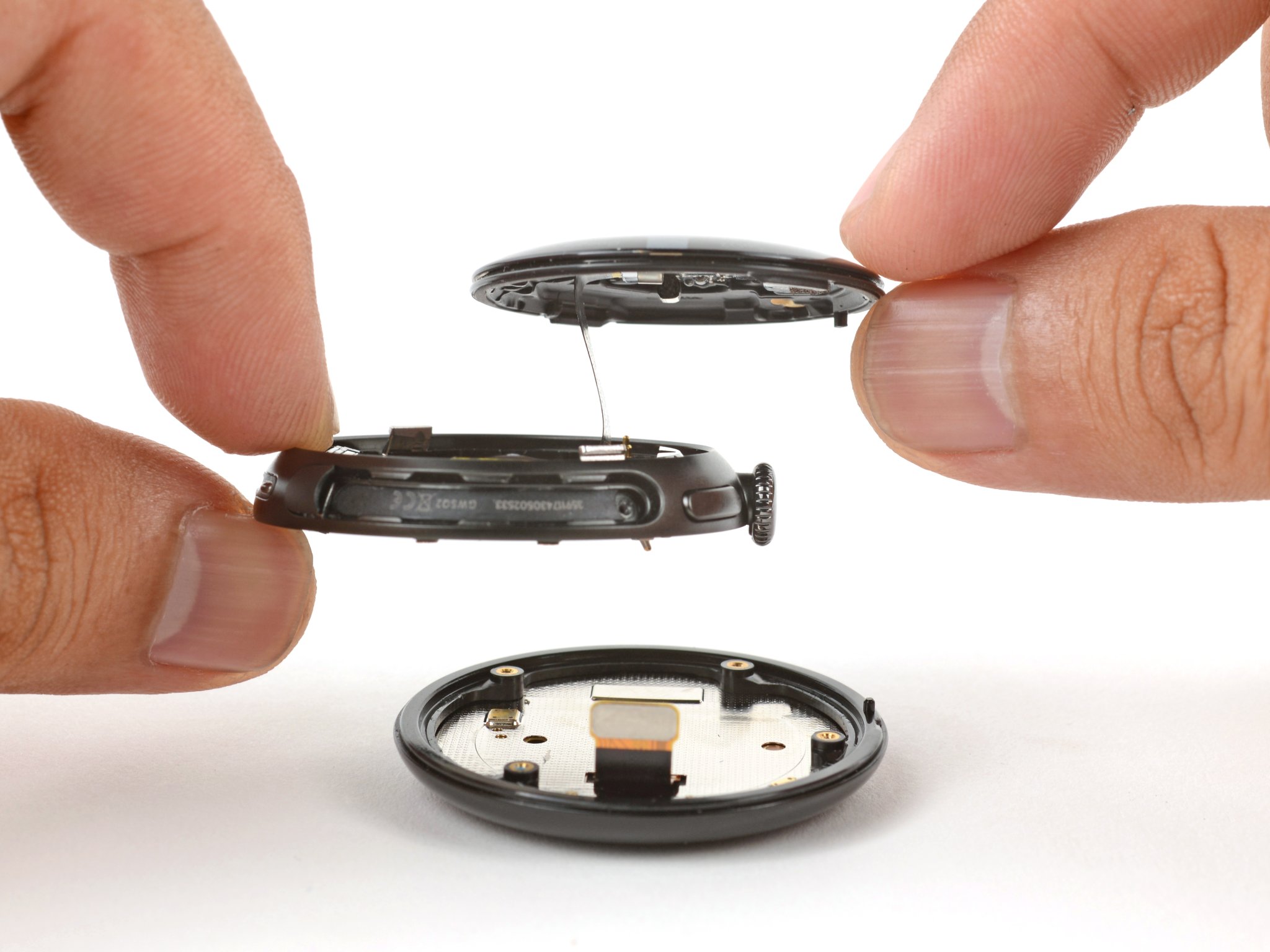
Visible screws, hidden genius
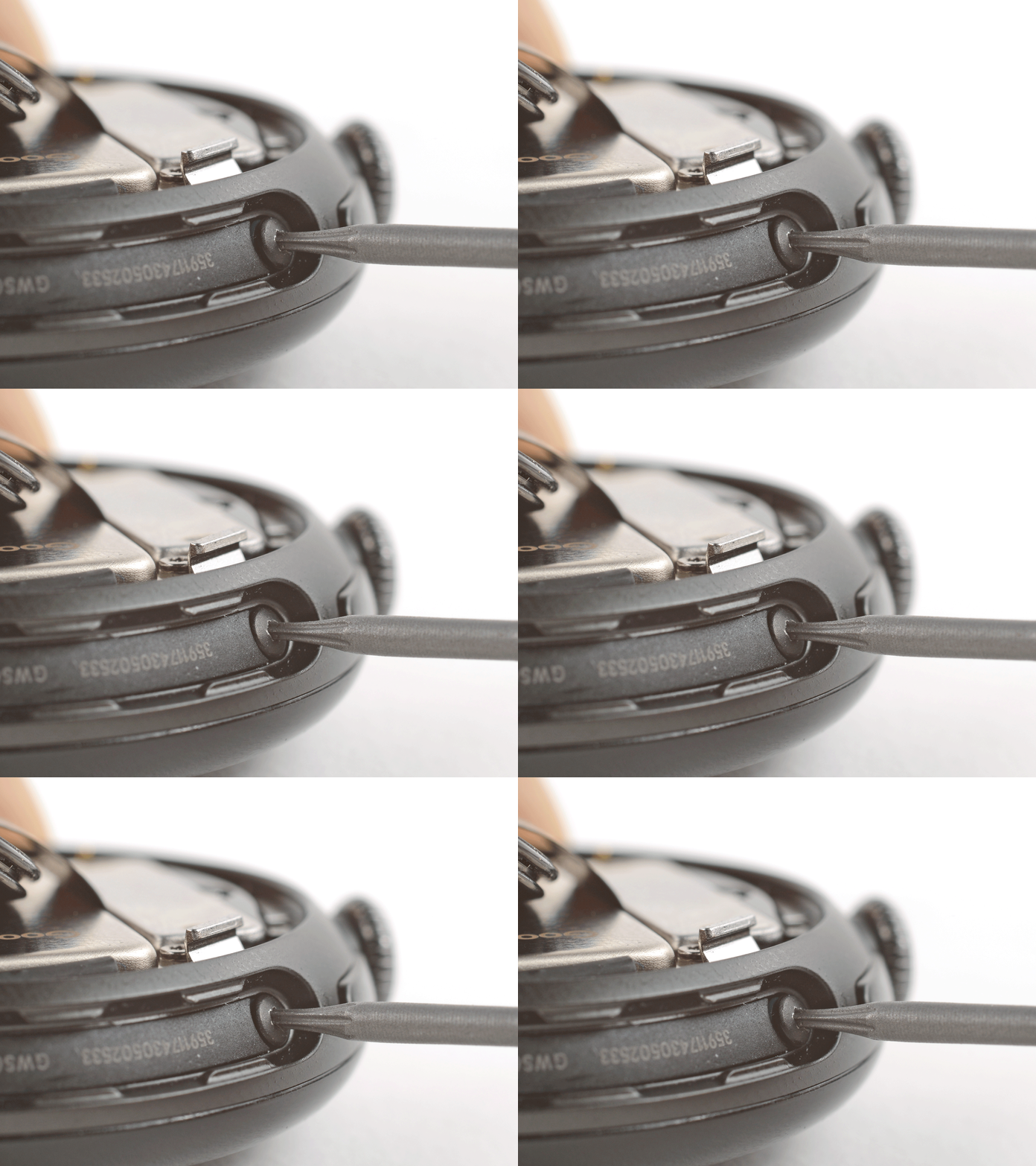
From the moment we removed the band, we noticed something different. The Pixel Watch 4 proudly displays its screws, which is a good sign. Each tiny screw has its own O-ring, ensuring both waterproofing and ease of use. This is a huge improvement over the perfectly sealed Apple Watch Ultra 3 we tore down a few days ago.
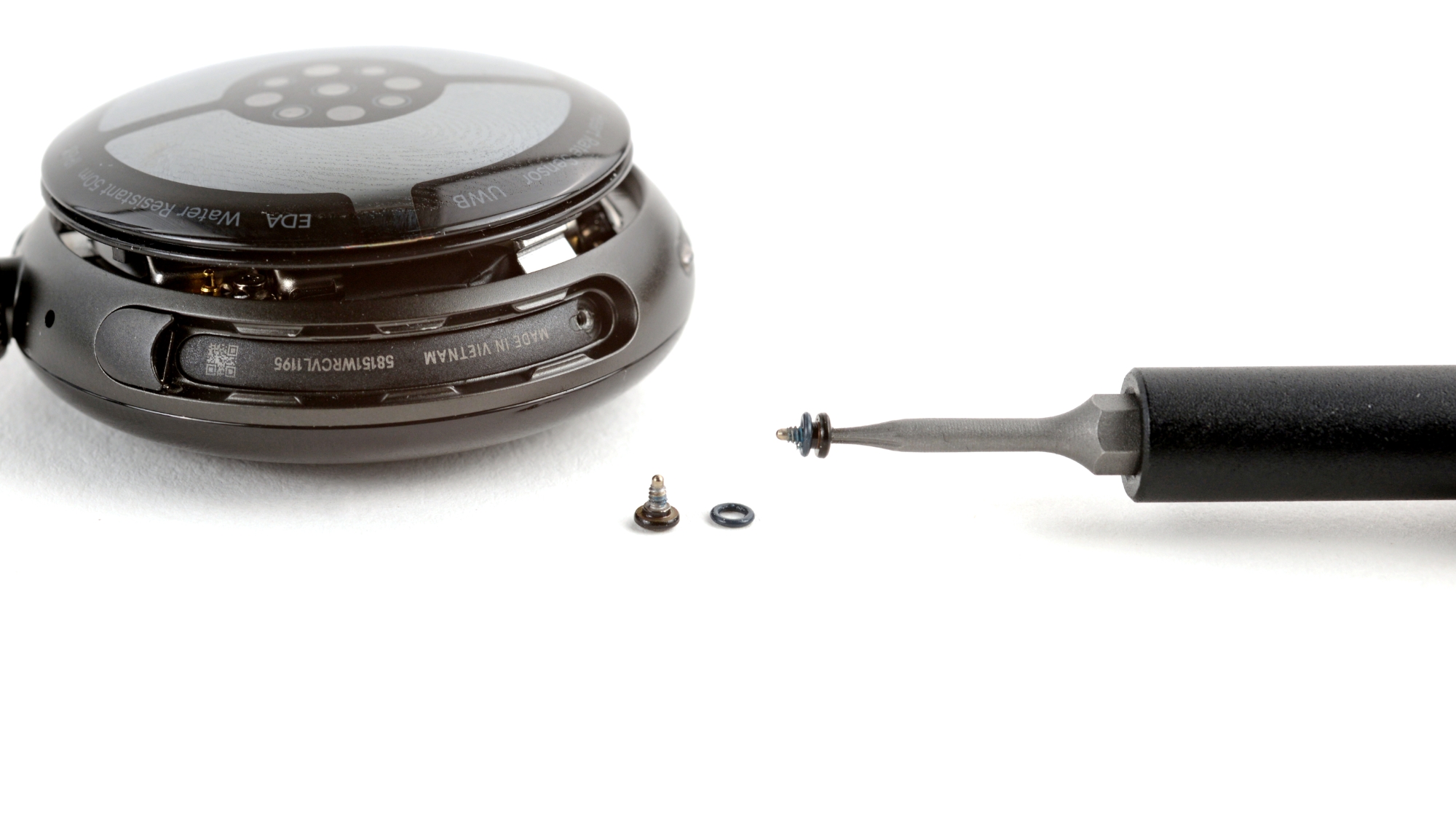
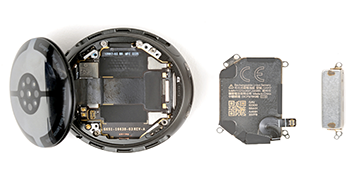
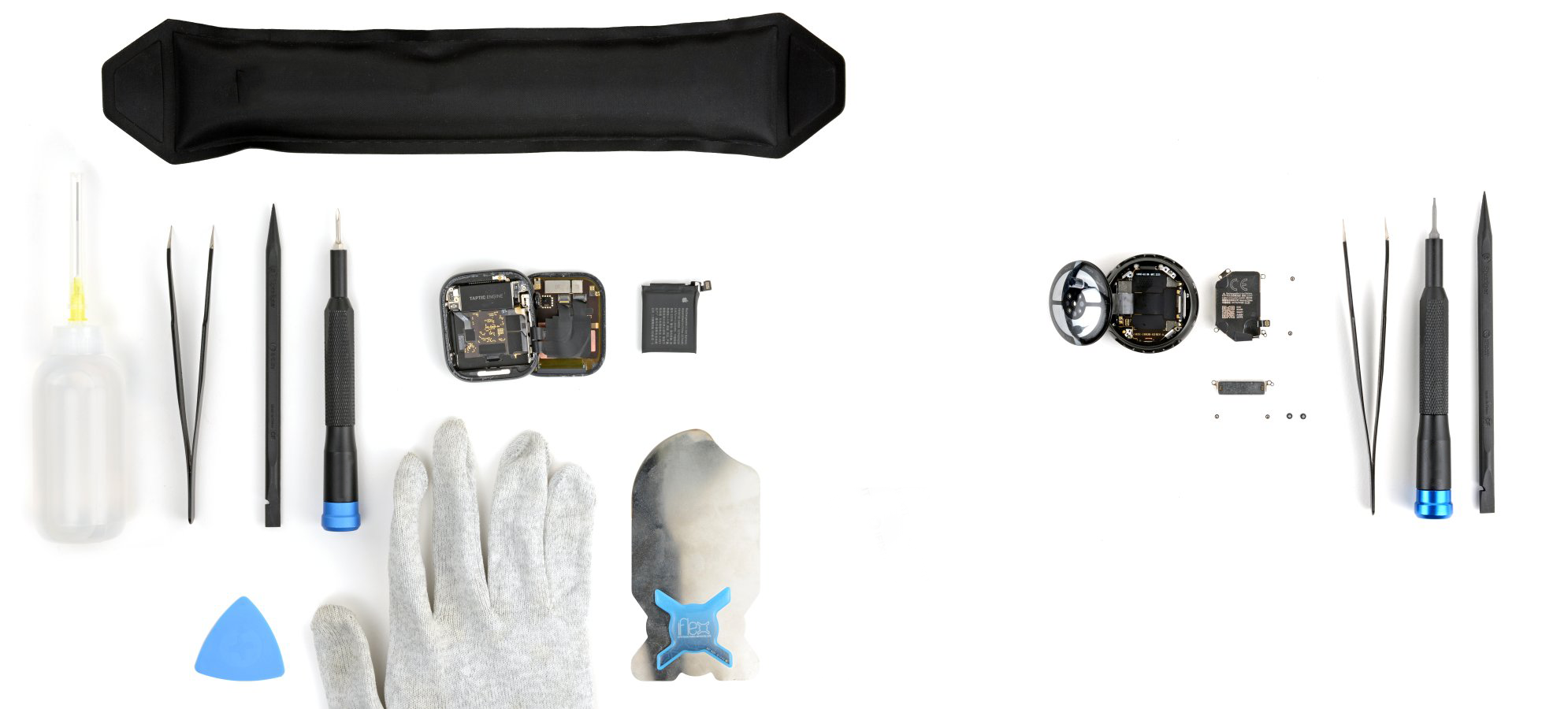
With just three Torx Plus driver bits (1IP, 2IP, and 5IP), a spudger, and a pair of tweezers, we were able to dismantle the watch’s interior in just a few minutes. No heat, no solvents, no glue required. Two of the outer screws even act as hinges, gently compressing the rear seal when tightened. This clever design ensures the watch’s water resistance while simplifying assembly.
This rear-accessible design is a radical rethink of smartwatch design. While other watches (like Apple) use decorative screws to improve repairability, Google’s takes it a step further. You can remove the back cover, leaving the sensor glass attached, and then safely replace the internal components.
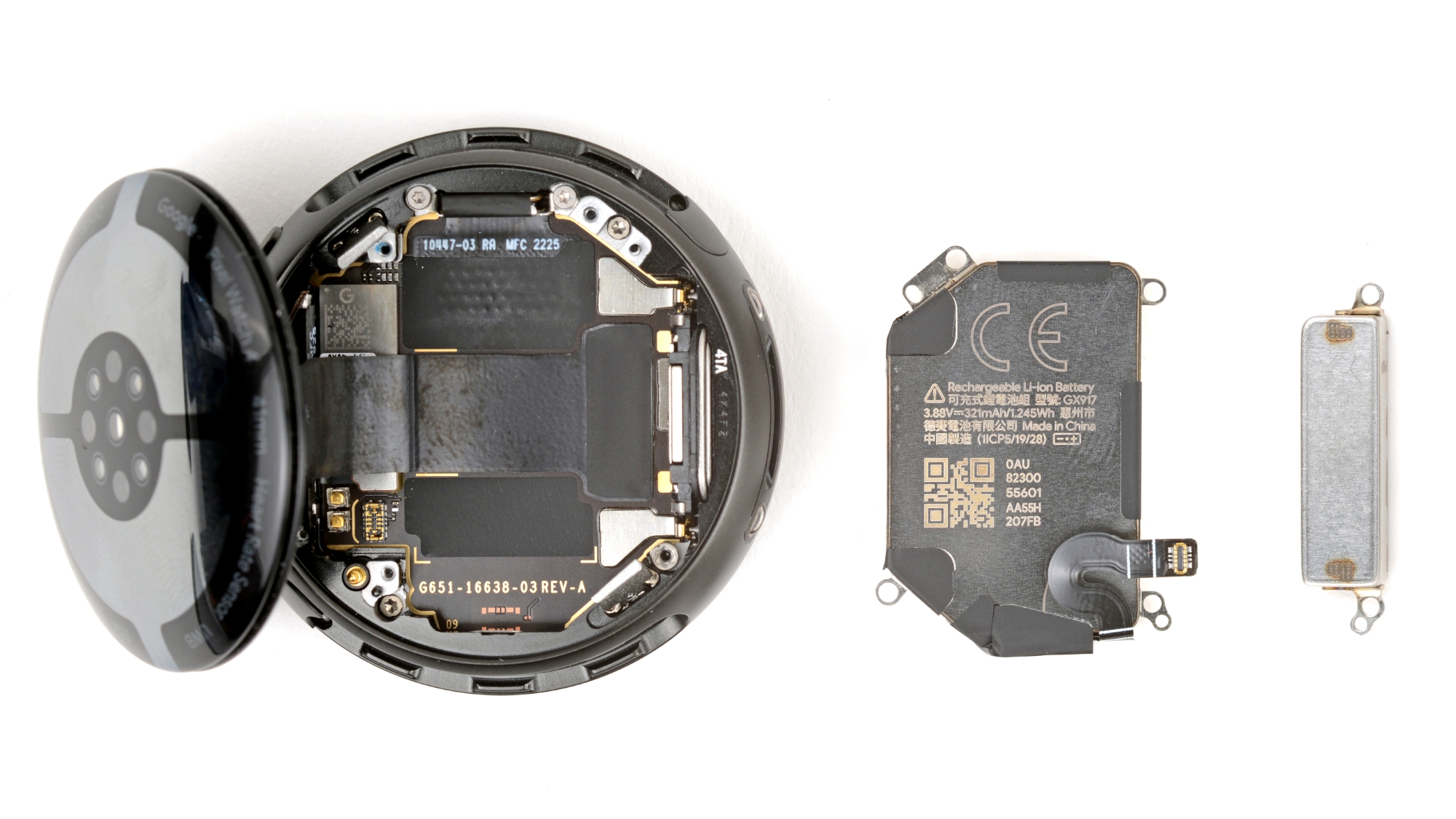
Finally, a truly replaceable smartwatch battery!
Under the back panel is the vibration motor, which eschews fragile flex cables in favor of sturdy pogo pin contacts. It’s secured with screws, two of which also hold the battery. We appreciate this clever screw efficiency.
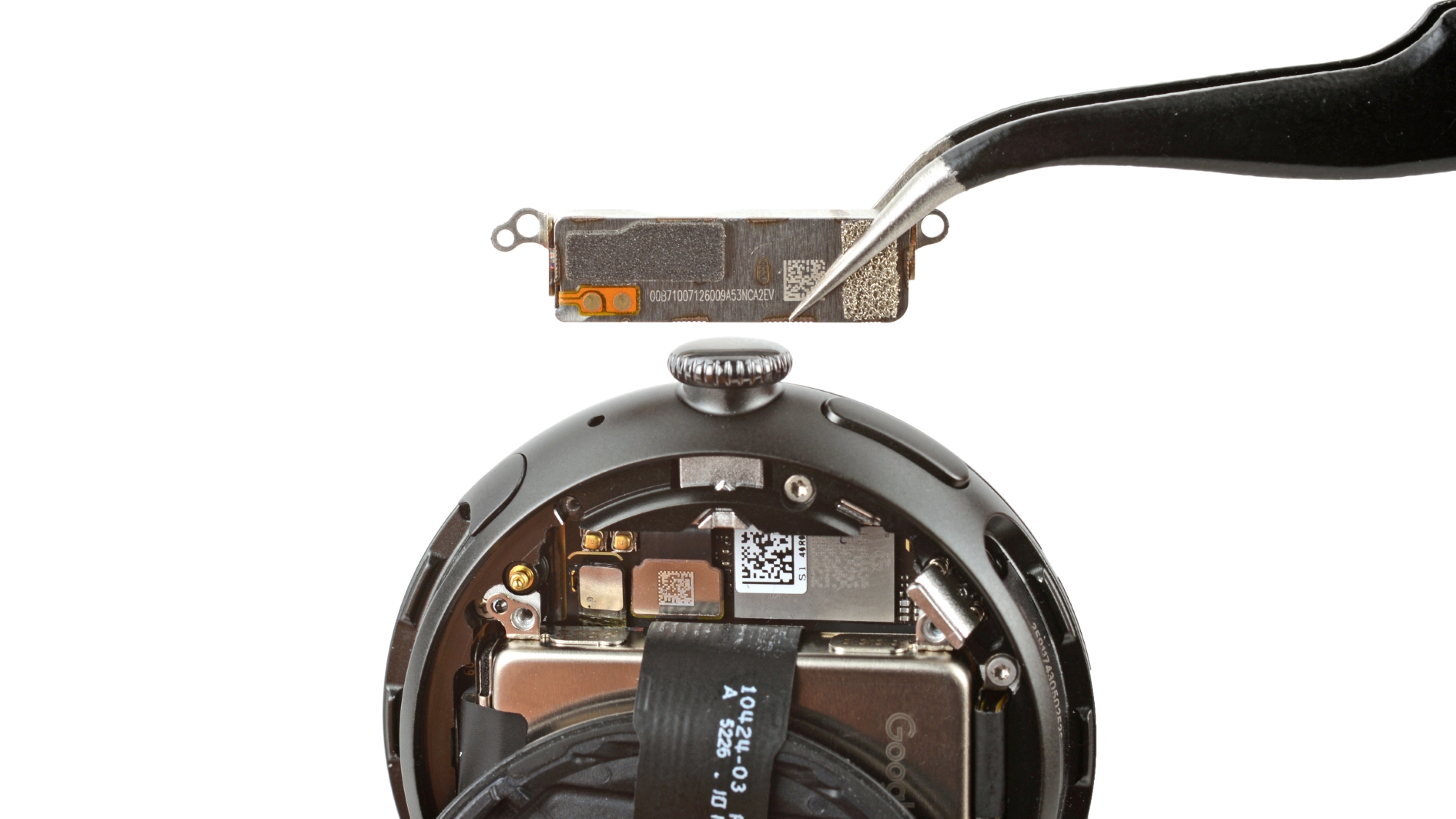
The battery itself is also flawless. It comes out with just two screws and a connector. No need to fiddle with adhesive. The 1.747 Wh battery is a significant improvement over the 1.184 Wh pack in the Pixel Watch 2, and it can be replaced in just a few minutes with basic tools.
Only gaskets are needed, no glue required
Even the display has adopted the screw-and-washer concept. Instead of adhesive, Google has used replaceable O-ring gaskets, like those in traditional dive watches. This design maintains the IP68 water resistance rating without sacrificing user experience.
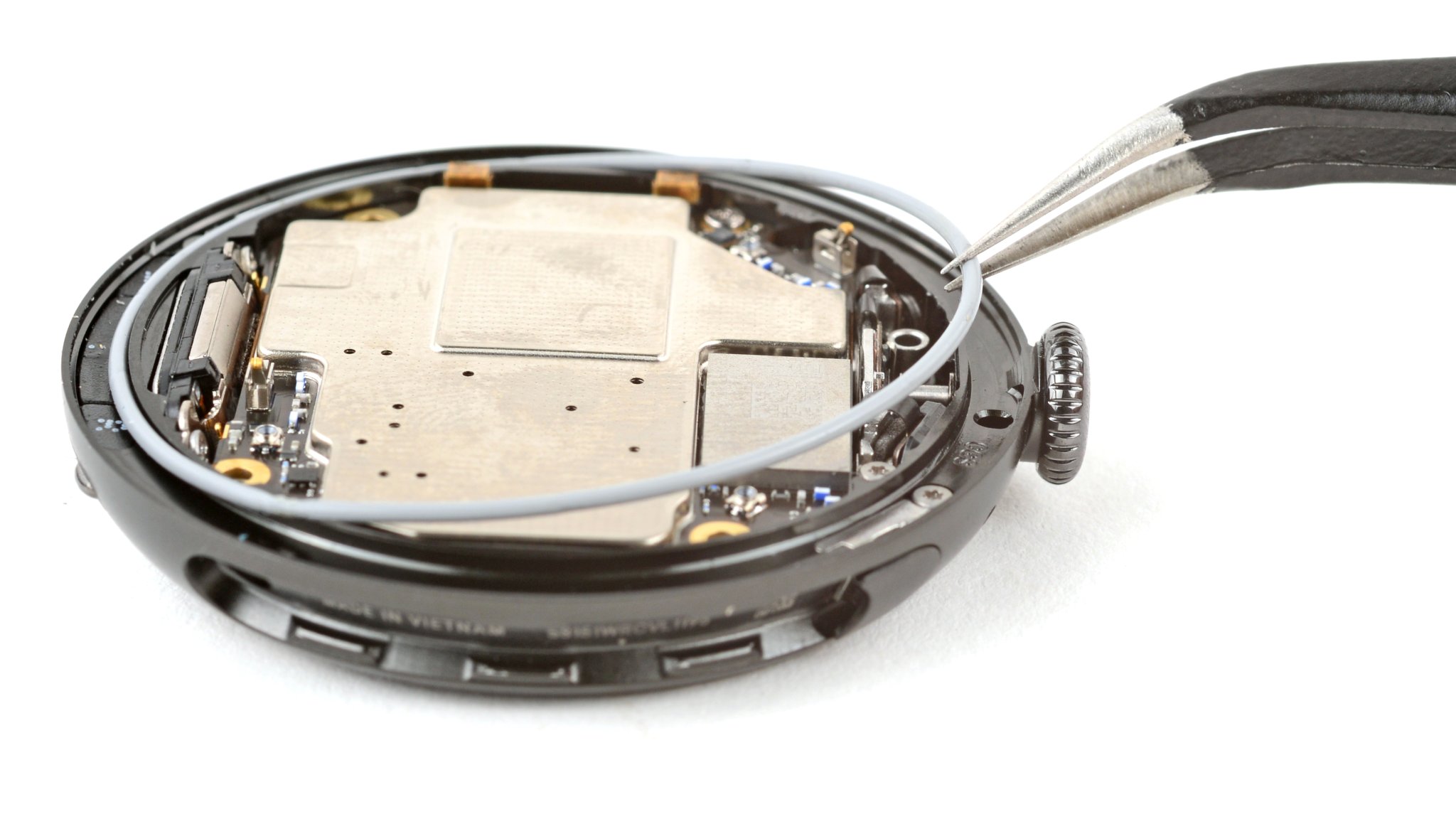
A round screen makes it easier to seal the gasket, and Google is taking full advantage of this geometry. It’s simple, easy to maintain, and sustainable. We expect replacement gaskets to be available soon, which is a welcome long-term development.
Inside the silicon chip of a modern smartwatch
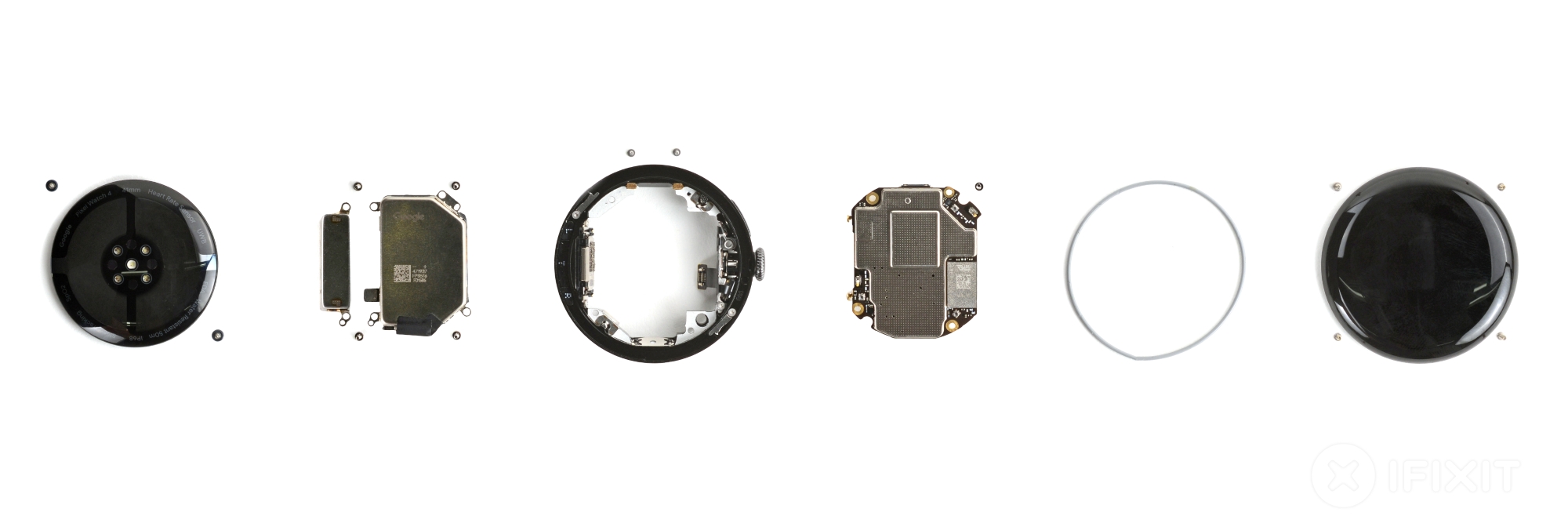
Pop open the motherboard, and you’ll find a Qualcomm Snapdragon W5+ Gen 2 processor nestled beneath a Biwin memory package bundled with 2GB of LPDDR4X RAM and 32GB of NAND flash memory.
This is the pinnacle of modern smartwatch silicon, built on a circuit board that’s incredibly easy to disassemble and rework.
Designed to serve
Every aspect of this watch reflects its “repair-first” design philosophy. Google released a complete repair manual (minus schematics) for both the 41mm and 45mm watches on launch day, and we expect replacement batteries and screens to follow. Bands are now widely available. (We’ve also prepared a guide, which is worth mentioning. We appreciate official repair manuals, but we certainly have our own style.)
Maintainable design and repair infrastructure are crucial. The exterior may look familiar, but the interior is brand new, meticulously designed from the ground up for easy maintenance.
Scored 9 out of 10 and received a standing ovation
We’ve given the Pixel Watch 4 a tentative repairability score of 9 out of 10. Its screw-fastening construction, replaceable gaskets, easily accessible battery, and lack of adhesives put it at the top of its class.
If the Pixel Watch can release complete schematics, reduce the price of the display, and further streamline the display replacement process, the next generation Pixel Watch could achieve perfect reliability. When individual components cost nearly a third of the price of a new device, many people won’t opt for repairs. The 1IP Torx Plus driver required to replace the display is extremely rare; while not impossible to find, it’s not even included in many professional electronics tool kits.
More importantly, this teardown demonstrates that repairable design doesn’t have to come at the expense of waterproofing, style, or performance. It just takes a company willing to rethink its approach.
We’ve seen Google make repairability mistakes before (like with the original Pixel Watch), but this one is a complete departure. Instead of the usual thermal pads, broken glass, or hidden traps, this is an elegant, thoughtful smartwatch that can be taken apart, fixed, and worn again.
The Pixel Watch 4 may be the first mainstream smartwatch to make repairability cool. We’d happily pry it open with a spudger.